I’ve been thinking a lot lately about why I write. Mostly it’s that when I’m not writing, my brain is more chaotic than usual. Writing helps me declutter my mind, process what confuses and concerns me, plan for the future, and figure out who I am and what I want — because this changes over time, so it’s a never-ending quest.
Over the years, people have told me they want to write — they feel they have a story in them — but they don’t know where to begin.
So. Begin here. With me.
Write Through It is a series of organizational and creative prompts, samples of my own writing, and some research about how writing helps us navigate life — as we live, play, love, worry, and work through it.
I’m looking for reflective, lifelong learners — people willing to grow and change at any age. Writers who need inspiration. Non-writers who have something to say but don’t know where to start. Anyone carrying something they haven’t yet put into words — because I believe with everything I have that everyone is a writer and everyone needs a way to process their thoughts and feelings. Writing is the cheapest, easiest therapy I’ve ever encountered, and I want to share that.
I’ll post on Wednesdays. Think “Writing Wednesdays,” but read and write whenever you want to. I hope this becomes a daily habit for you like it finally is for me. Use it however it works for you — it’s yours for free because I miss teaching writing, but I want to do it on my terms and for people who choose it. Not because you’re stuck in English class and you have to pass to graduate!
Lesson One: Clear Your Mind Before Bed
First, let’s note that I said I’d post on Wednesdays and this is coming to you on Thursday. Life happens — and that’s probably one of the biggest lessons I’m trying to learn right now. Things don’t always go as planned, but that doesn’t mean I give up. Next week, Wednesday. This week, it is what it is. And that’s okay.
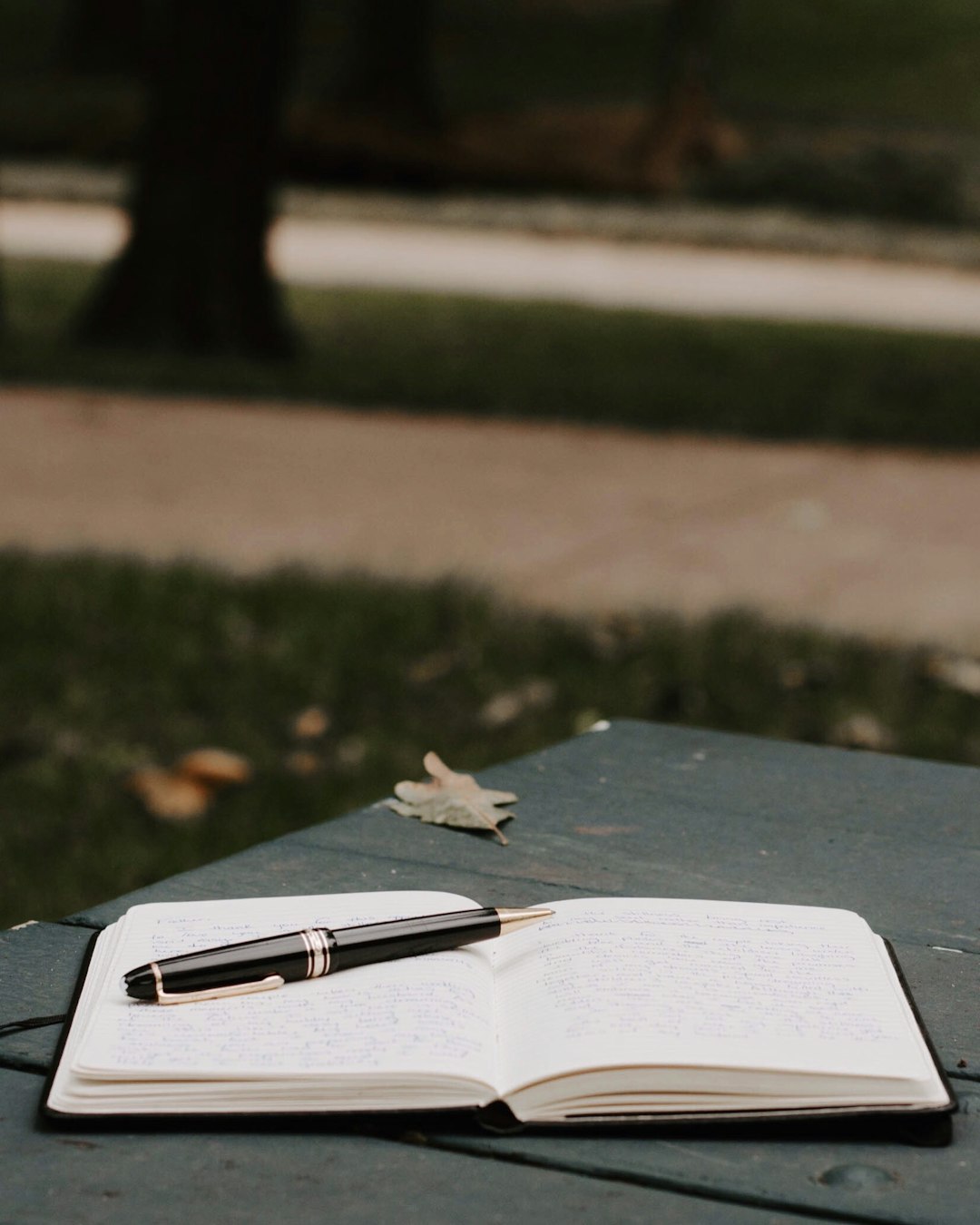
All you need to be a writer is paper and pen. Research shows there’s something powerful about moving your hand across a page. If you can find a peaceful spot outside to write, even better — nature gives us permission to let our minds wander. Don’t try too hard. Go for a walk first if you need to.
This first set of prompts is meant for the end of your day — in bed, on the patio, just before you wind down.
First, start with a list of everything you accomplished today.
From small things like emptying the dishwasher to big things like finishing a project at work. Don’t forget the things we take for granted — a conversation with a neighbor, smiling at a stranger, listening to someone who just needed to talk. All of these things matter.
Next, list what you didn’t finish.
A 2018 Baylor University study found that writing a to-do list of unfinished tasks before bed helped people fall asleep significantly faster — the more specific the list, the better. Instead of letting unfinished business spin around in your head all night, write it down. Now you won’t forget. And now you can sleep.
Finally, dissect the day’s problems.
Think high school science lab — I know, gross! Problems left to fester tend to bloat, taking up way too much real estate in our minds. But cut one open and you’ll find that most of your worries are hot air. What’s left is a bunch of little pieces that, once untangled, are manageable. Look for the heart of your problem and throw the rest away.
If it’s a conflict, you have two choices: have the hard conversation and make peace, or — if that will do more harm than good — let it go. Forgive and move on. If it’s something deeper — a dream you can’t reach, a prayer that feels unanswered — write about what you’d gain and what you’d lose if you finally got there. Because even when we get what we want, we give something up. Then write about what you already have. Spend a moment being truly grateful for exactly where you are right now.
Psychologist and researcher James Pennebaker, who has studied writing for decades, found that writing about stressful experiences even briefly improves mood, reduces rumination, and frees up cognitive resources.
Instead of lying awake replaying conversations or beating yourself up for the thing you didn’t do — write it down. Make a plan. You don’t have to fix it tonight. But you can start tomorrow.
And that’s it. It doesn’t have to be perfect. No one else has to see this but you. Write in sentences, stories, lists — whatever works. This is your daily brain dump so you can sleep well, tackle the hard stuff tomorrow, and still have time left over for the things that make you feel alive.
If this resonates, subscribe and write with me every Wednesday here and on Substack. Bring a notebook!

Leave a Reply